From Textiles to Flooring: Key Materials That Enhance Office Aesthetics and Functionality
This blog is your guide to the essential materials used in office interiors, exploring everything from soft textiles to sturdy flooring. You will discover how innovative choices in materials can transform office aesthetics, create healthier workspaces, enhance acoustics and lighting, and future-proof your workspace for evolving business needs. Practical advice, trends, and insights suitable for Singapore offices and beyond are provided, together with answers to the most commonly asked questions by office planners and business owners today.
From Textiles to Flooring: Key Materials That Enhance Office Aesthetics and Functionality
The environment in which we work has a direct impact on productivity, comfort and wellbeing. As businesses in Singapore and abroad adapt to new work realities—hybrid schedules, flexible offices, and a renewed emphasis on wellbeing—the role of materials in office interiors has never been more crucial. The right materials not only set the visual tone but also impact acoustics, ergonomics, air quality and sustainability. Let’s explore the core options available, and how to make smart choices for a contemporary, functional workspace.
Why Materials Matter in Office Interiors
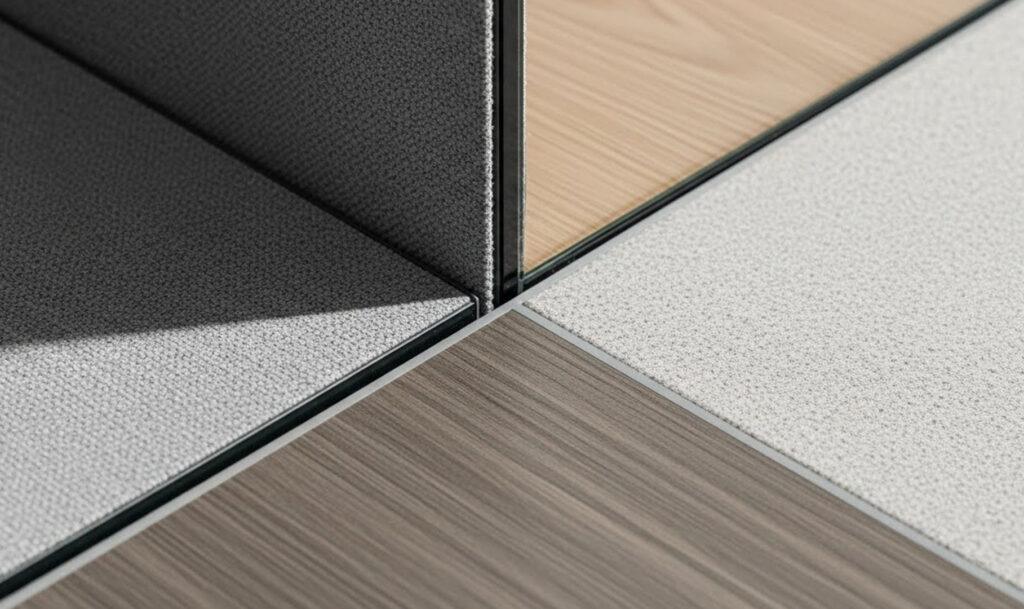
Selecting the right materials for your office goes far beyond style. A thoughtfully designed interior, built with well-chosen surfaces and textiles, will:
- Support high performance and comfort for staff.
- Reinforce brand identity and visitor impressions.
- Create acoustic and visual balance.
- Reduce operational costs through durability and maintenance ease.
- Advance sustainability, boosting corporate responsibility credentials.
With so much at stake, understanding your options—and their respective pros and cons—is key to unlocking an office’s full potential.
The Foundations: Wall Finishes and Partitions
Walls define the skeleton of your workspace. Common materials include:
- Paint: Practically universal, with endless colour and finish options (from matte to gloss). Low-VOC, washable paints are best for health and longevity.
- Wallpaper & Wallcoverings: From subtle textures to bold prints, wallcoverings offer instant atmosphere. Acoustic wall panels, often fabric or foam-backed, both beautify and absorb sound.
- Glass Partitions: Modern offices value transparency and the flexible division of spaces. Tempered or laminated glass maximises natural light while allowing privacy with frosting, printing or switchable opacity films.
- Acoustic and Whiteboard Panels: Acoustic panels made from PET felt or wool reduce noise and reverberation—ideal for open-plan layouts. Writable surfaces combine finish and function for brainstorming.

Flooring: Setting the Stage for Productivity
Flooring is where form meets necessity in office design.
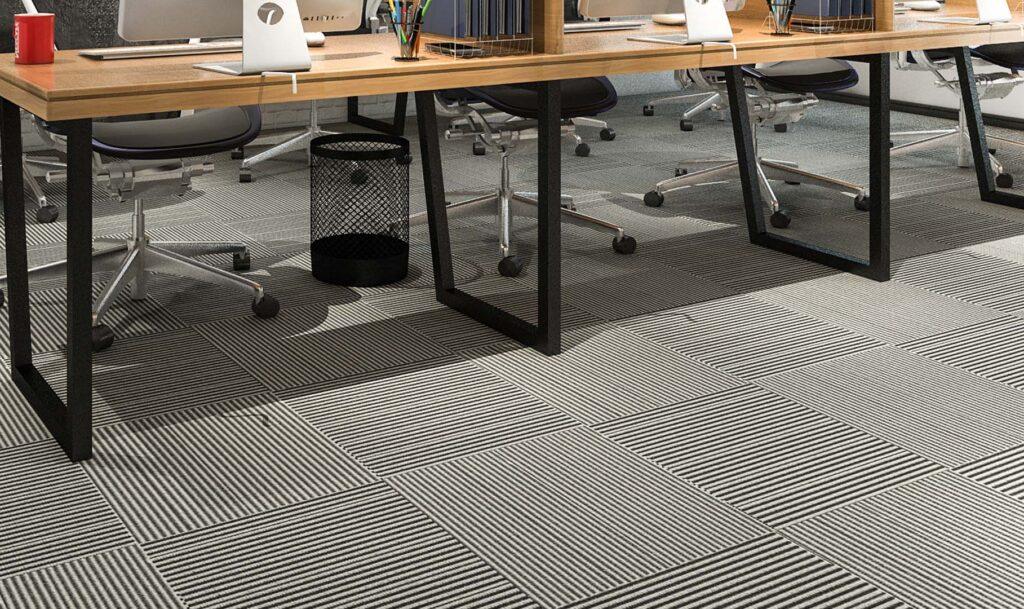
- Carpet Tiles: Still a mainstay for their acoustic and slip-resistant properties, carpet tiles are modular, easily replaced, and available in recycled materials and contemporary designs.
- Luxury Vinyl Tile (LVT) and Planks: Durable, low-maintenance and now available in a variety of natural wood, stone, or abstract looks. LVT offers superior water resistance vs. traditional laminates.
- Engineered Wood & Laminate: Bring warmth and organic appeal, while engineered products provide greater resilience in commercial settings. Use responsibly sourced or recycled wood for sustainability.
- Raised Access Flooring: Allows flexible management of cables and services beneath, future-proofing offices for tech upgrades without major disruption.
- Concrete and Microcement: Emerging for industrial-style offices, these offer durability and a sleek, contemporary edge.
Read More: Creating Ambience: Essential Elements of F&B Interior Design in Singapore’s Culinary Scene
Ceilings: Enhancing Ambience and Acoustics
Ceilings often go unnoticed, but they play a crucial role:
- Suspended Ceilings/Drywall: Enable integrated lighting, air conditioning ducts and wiring concealment while keeping maintenance hassle-free.
- Baffles and Rafts: Acoustic ceiling features in felt or timber add visual interest and effective sound control in lively open environments.
- Decorative Coffered or Wood Slat Designs: Popular for adding a touch of luxury or branding, particularly in executive zones.
Furniture Materials: Endurance with Style
- Metal: Steel or aluminium is preferred for frames and supporting structures thanks to strength and longevity, perfect for modular desks and moveable elements.
- Wood and Engineered Wood: Veneered MDF, plywood, or solid wood bring warmth and natural style to desking and cabinetry.
- Plastic and Acrylic: Modern, affordable, and lightweight. Popular for collaborative furniture, breakout seating and accessories, with transparent acrylic often used for dividers.
- Upholstery Fabrics: Desk chairs, breakout sofas, and acoustic pods use performance textiles—blends of polyester, wool, or new-generation recycled fibres designed for stain-resistance and heavy use.
Windows, Blinds, and Shading
Windows bring natural light, vital for health and energy, but need shading for glare and climate control:
- Double Glazing & Film: Improves thermal comfort and sound insulation.
- Blinds & Shades: Roller or Venetian, in fabric, aluminium, or eco-friendly bamboo, allowing for flexible light management.
- Smart Glass: Switches from clear to opaque at the flick of a switch, providing privacy for meeting rooms.
Textiles: Soft Touches with High Function
Beyond upholstery, textiles are used for:
- Curtains and Sheers: Add an element of softness, absorb noise, and control daylight.
- Acoustic Drapes: Enhance sound control for presentation areas.
- Rugs and Runners: Offer comfort and colour in lounge areas or zones needing identity.
Specialist Surfaces: Innovation and Brand Character
- Writable Walls & Magnetic Paint: Turn walls into collaboration zones.
- Biophilic Materials (Living Walls, Moss Panels): Foster wellbeing and creativity by reconnecting staff with nature.
- Recycled & Rapidly Renewable Materials: Cork, bamboo, and recycled PET show a commitment to sustainability and innovation.
- Antimicrobial and Easy-Clean Surfaces: In high-traffic and hygiene-critical environments, such as reception counters and pantries, these are a smart choice.
Lighting Integration: Materials Matter
Light interacts with materials to shape mood and perception:
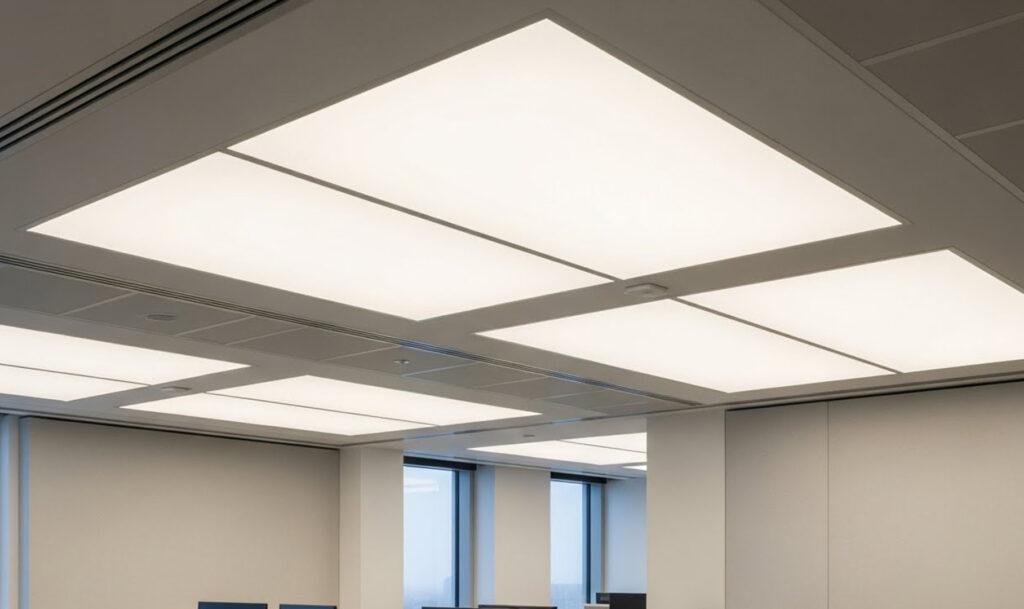
- Diffusing Panels: For even, glare-free lighting.
- Reflective or Matte Finishes: Dictate whether spaces feel bright and expansive or subdued and focused.
- LED Strips & Recessed Luminaires: These integrate seamlessly into ceilings, walls, or joinery for visual impact.
Making the Right Choices
With such diversity in materials, select based on the needs of your workforce, brand identity, and budget. Prioritise:
- Durability and Maintenance: Offices endure heavy use; select high-quality, easy-to-clean surfaces.
- Functionality: Future-proof through modularity and expandability.
- Wellbeing: Opt for materials that improve air quality, comfort, and acoustic control.
- Aesthetics: Ensure materials speak to your company’s culture, whether sleek minimalism, warmth and creativity, or refined professionalism.

Frequently Asked Questions
Q1. What are the most sustainable materials used in office interiors today?
Bamboo, recycled PET felt, reclaimed wood, low-VOC paints, and responsibly sourced wool fabrics top the sustainability list. These reduce environmental impact and often offer unique aesthetics.
Q2. How important are acoustic materials in modern office design?
Very. Open-plan offices especially benefit from acoustic panels, ceiling baffles, and fabric wall coverings, all of which help reduce noise distractions and boost productivity.
Q3. How do I balance durability, cost, and style in choosing office flooring?
Consider vinyl or modular carpet tiles for high-traffic zones as they balance durability with design flexibility and are simple to replace. Use engineered wood or laminate in executive areas for premium aesthetics without compromising performance.
Read Next: Elevating Business Environments: How Commercial Interior Design Firms Are Redefining Workspaces
Conclusion
The materials you select for your office interiors set the foundation for long-term comfort, productivity, brand perception and employee satisfaction. By balancing function with flair, and prioritising sustainability alongside durability, you can create a workspace that not only looks exceptional but works seamlessly for your team’s everyday needs. With the right expertise—such as Cactus Art Interior’s tailored solutions—every element from textiles to flooring can contribute to a more beautiful, practical and future-ready office environment.