Commercial Interior Design Singapore: Top Trends Transforming Retail and Office Spaces
Singapore’s commercial spaces are undergoing a dynamic evolution in 2025, driven by a convergence of innovation, sustainability, and a renewed focus on human-centric design. For businesses and property owners, understanding the latest trends in commercial interior design in Singapore is key to staying competitive, attracting customers, and fostering a vibrant workplace culture. From retail outlets to corporate offices, the city-state is embracing new standards that blend style, function, and forward-thinking technology.
The State of Commercial Interior Design Singapore in 2025
Since January 2025, Singapore’s commercial real estate and retail sectors have witnessed a surge in demand for spaces that are not only visually appealing but also adaptive, sustainable, and technologically advanced. Several factors fuel the ongoing transformation:
- Hybrid and Flexible Work Models: Over 70% of Singaporean companies now support hybrid work arrangements, necessitating office layouts that can easily adapt to changing needs.
- Sustainability as a Priority: More than 60% of businesses have integrated eco-friendly materials and energy-efficient systems into their commercial fit-outs.
- Rise of Experience-Driven Retail: Retailers are prioritizing immersive, interactive environments that engage customers and encourage more extended visits.
- Smart Technology Integration: The adoption of AI, IoT, and intelligent building management systems is reshaping how spaces are used and managed.
Top Trends Shaping Commercial Interior Design Singapore
1. Sustainable and Eco-Friendly Design
Sustainability is no longer a trend—it’s a business imperative. In 2025, commercial interior design Singapore projects will be characterized by the following:
- Use of Recycled and Low-Impact Materials: Reclaimed wood, recycled plastics, and low-VOC paints are increasingly common in both retail and office settings.
- Energy Efficiency: LED lighting, motion sensors, and energy-saving HVAC systems help businesses reduce their carbon footprint and operational costs.
- Biophilic Design: Incorporating indoor plants, living walls, and natural light creates healthier, more inviting spaces that boost well-being and productivity.
- Water-Saving Fixtures: Smart taps and water-efficient appliances support Singapore’s Green Plan and reduce resource consumption.
These sustainable choices not only benefit the environment but also enhance brand reputation and customer loyalty.
2. Flexible and Multi-Functional Spaces
The shift toward hybrid work and changing consumer behaviors has made flexibility a cornerstone of commercial interior design in Singapore. Key features include:
- Modular Furniture: Easily reconfigurable desks, partitions, and seating allow spaces to adapt to different activities and group sizes.
- Activity-Based Working: Offices are designed with zones for collaboration, focus, and relaxation, supporting diverse work styles.
- Dynamic Retail Layouts: Retail spaces are embracing flexible displays and pop-up areas to accommodate seasonal campaigns and experiential events.
- Community Hubs: Both retail and office environments are integrating shared spaces that foster interaction and a sense of community.
This adaptability ensures that commercial spaces remain relevant and functional in a rapidly changing world.
3. Smart Technology and AI Integration
Singapore’s Smart Nation initiative is accelerating the adoption of advanced technologies in commercial interior design in Singapore. Notable developments include:
- AI-Driven Building Management: Smart systems optimize energy use, maintenance, and space utilization, leading to cost savings and improved tenant experiences.
- Predictive Analytics: Data-driven insights help landlords and businesses forecast space needs and adapt layouts for maximum efficiency.
- Personalized Environments: AI analyzes user preferences and behaviors to adjust lighting, temperature, and even workspace configurations in real-time.
- IoT and Automation: Smart lighting, climate control, and security systems create seamless, user-friendly environments for both employees and customers.
Buildings equipped with these technologies enjoy up to a 20% increase in tenant retention and a 15% reduction in energy costs, according to JLL’s 2025 Asia Pacific CRE outlook.
4. Wellness-Centric Design
Employee and customer well-being are at the forefront of modern commercial interior design in Singapore. Designers are prioritizing:
- Ergonomic Furniture: Adjustable desks, ergonomic chairs, and sit-stand workstations reduce physical strain and enhance comfort.
- Wellness Zones: Quiet rooms, meditation spaces, and relaxation areas help users recharge and manage stress.
- Acoustic Solutions: Sound-absorbing panels and privacy pods ensure that open-plan offices and busy retail environments remain conducive to concentration and collaboration.
- Natural Light and Ventilation: Maximizing access to daylight and fresh air improves mood, energy levels, and overall health1.
Investing in wellness-centric design not only attracts and retains talent but also drives productivity and customer satisfaction.
5. Brand Identity and Experiential Retail
In 2025, commercial interior design in Singapore is increasingly about creating spaces that reflect and reinforce brand values. This trend is especially prominent in the retail sector, where:
- Immersive Environments: Retailers are using interactive displays, digital signage, and sensory elements to create memorable shopping experiences.
- Artisanal and Local Touches: Incorporating craftsmanship and local culture into design helps brands stand out and connect with customers.
- Bold Visual Identity: Unique color palettes, custom graphics, and branded artwork make spaces instantly recognizable and Instagram-worthy.
- Storytelling Through Design: Retail and office interiors are designed to tell a brand’s story, fostering emotional connections with visitors and employees alike.
6. Inclusive and Community-Focused Design
Inclusivity and community are central to the latest commercial interior design Singapore projects. Designers are focusing on:
- Accessible Layouts: Ensuring that spaces are welcoming and usable for people of all abilities.
- Gender-Neutral Facilities: Providing inclusive restrooms and amenities for diverse workforces and customer bases.
- Spaces for Social Connection: Designing communal areas that encourage interaction, collaboration, and a sense of belonging.
- Neurodiversity Considerations: Creating environments that support different sensory needs and work styles.
These inclusive practices foster a positive culture and enhance the overall experience for everyone who uses the space.
Read More: Office Interior Design Singapore: How to Design a Future-Ready Workspace
Spotlight on Cactus Art: Leading the Way in Commercial Interior Design Singapore
At Cactus Art, we are committed to helping Singaporean businesses navigate the evolving landscape of commercial interior design in Singapore. Our team of experienced designers and project managers specializes in creating bespoke interiors for offices, retail outlets, and other commercial spaces.
Our approach is grounded in the latest trends and best practices:
- Sustainability: We prioritize eco-friendly materials and energy-efficient design, helping clients reduce their environmental impact and enhance their brand.
- Flexibility: Our modular solutions and adaptable layouts support hybrid work, dynamic retail, and evolving business needs.
- Wellness-Centric Design: We integrate ergonomic furniture, biophilic elements, and wellness zones to promote health and productivity.
- Technology Integration: Our projects feature innovative systems and digital collaboration tools, ensuring that spaces are future-ready.
- Brand Identity: We work closely with clients to create interiors that reflect their unique vision, values, and culture.
By partnering with Cactus Art, Singaporean businesses can transform their commercial spaces into vibrant, sustainable, and adaptive environments that drive success in 2025 and beyond.
How Commercial Interior Design in Singapore Connects Your Store to the Digital World
Today’s customers don’t just shop in one place. They search for products online, visit the store in person, and then share their experience on social media. This means your retail space works for both people who walk through your doors and those who find you online. This is called an omni-channel experience, and smart commercial interior design in Singapore now plans for this from the start.
What this looks like in real life:
- Instagram-ready spots: Design one or two areas in your store that look great in photos. A well-lit corner, bold wall, or unique product display can encourage customers to take pictures and share them – giving you free online marketing.
- QR codes built into the design: Add QR codes near product displays or shelving. When customers scan them, they get more product details, reviews, or exclusive online offers. This keeps them engaged for longer and connects the physical space to your digital platform.
- Digital screens that tell your story: Place small screens or digital panels in smart spots to show videos, promotions, or real-time social media feeds. This modernizes and brings the shopping experience to life.
Real-World Examples and Data
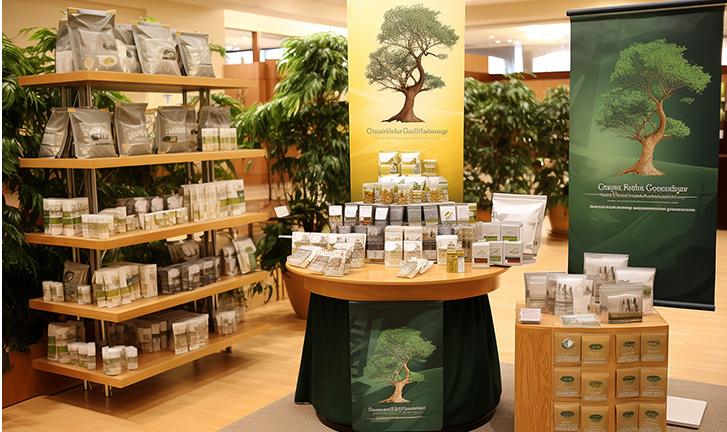
Case Study: A Leading Retailer’s Flagship Store
In early 2025, a prominent Singaporean retailer partnered with Cactus Art to redesign its flagship store. The project featured:
- Sustainable Materials: Reclaimed wood, low-VOC paints, and energy-efficient lighting.
- Flexible Displays: Modular fixtures and pop-up zones for seasonal campaigns and experiential events.
- Innovative Technology: Interactive digital signage and IoT-enabled climate control.
- Wellness Zones: Relaxation areas and biophilic design elements to enhance customer experience.
Post-renovation, the retailer reported a 25% increase in foot traffic and a 15% boost in sales, demonstrating the tangible benefits of thoughtful commercial interior design in Singapore.
Market Insights
- Sustainability Investments: Over 60% of Singaporean businesses now allocate a portion of their commercial fit-out budget to sustainable design initiatives.
- Hybrid Work Adoption: More than 70% of companies have implemented hybrid work policies, driving demand for flexible office solutions.
- Wellness ROI: Companies that invest in wellness-centric design see measurable returns in terms of reduced absenteeism, higher engagement, and improved performance.
- Technology Adoption: Buildings with innovative systems enjoy up to a 20% increase in tenant retention and a 15% reduction in energy costs.
Practical Tips for Navigating Commercial Interior Design Singapore in 2025
For businesses embarking on a commercial interior design Singapore project, consider the following:
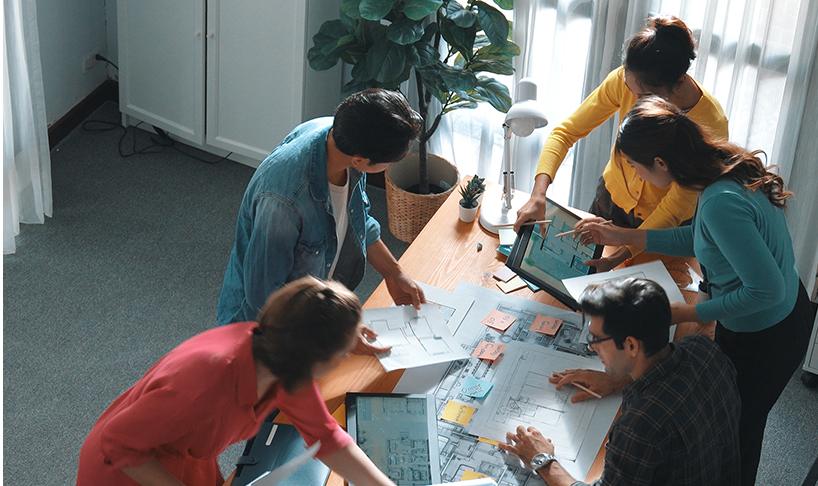
- Assess Your Needs: Understand your team’s work patterns, customer behaviors, and wellness priorities before starting the design process.
- Prioritize Sustainability: Choose eco-friendly materials and energy-efficient systems to reduce environmental impact and operational costs.
- Embrace Flexibility: Invest in modular furniture and adaptable layouts to support changing needs and future growth.
- Integrate Technology: Incorporate innovative systems and digital collaboration tools to enhance productivity, customer experience, and operational efficiency.
- Focus on Wellness: Design wellness zones, ergonomic workstations, and spaces that promote well-being for employees and customers.
- Reinforce Brand Identity: Use design to tell your brand’s story and create memorable, engaging environments.
- Engage Your Community: Involve employees and customers in the design process to ensure the space meets their needs and fosters a sense of belonging.
The Future of Commercial Interior Design Singapore
As we move through 2025, the trends shaping commercial interior design in Singapore show no signs of slowing down. The integration of sustainability, flexibility, wellness, and technology will continue to redefine retail and office environments, making them more adaptive, inclusive, and inspiring.
Businesses that embrace these trends will not only future-proof their spaces but also create environments where employees thrive, customers linger, and brands flourish. With partners like Cactus Art, Singaporean companies can confidently navigate this transformation, crafting commercial interiors that are truly fit for the future.
Read Next: Office Interior Design Singapore: Navigating the Shift Towards Sustainable and Adaptive Workspaces