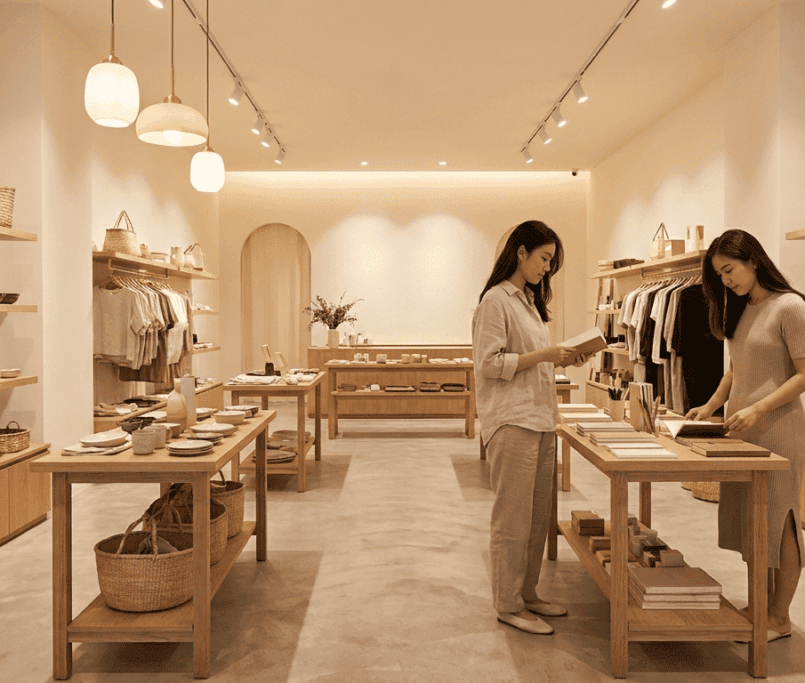
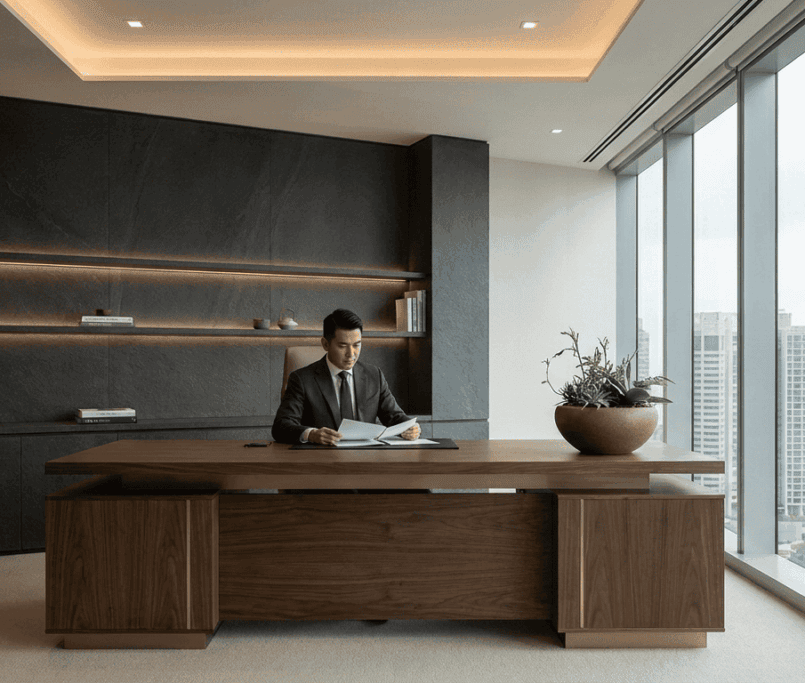
Office Interior Design Singapore: Navigating the Shift Towards Sustainable and Adaptive Workspaces
Singapore’s office landscape is undergoing a remarkable transformation in 2025, driven by evolving workforce expectations, a heightened focus on sustainability, and the rapid adoption of flexible, adaptive design solutions. The year has seen office interior design Singapore projects embrace innovation at every turn, crafting spaces that are not only functional but also inspiring, inclusive, and environmentally responsible. As businesses adapt to hybrid work models and prioritize employee wellness, the demand for thoughtful, forward-thinking office environments has never been higher.
The State of Office Interior Design Singapore in 2025
Since the start of 2025, Singapore’s commercial sector has witnessed a surge in demand for office spaces that reflect the new realities of work: hybrid schedules, digital collaboration, and a strong emphasis on sustainability. With remote and flexible work now firmly established, companies are reimagining their physical offices as hubs for collaboration, creativity, and connection rather than simply places for individual work.
Key indicators of this shift include:
- Rise of Hybrid and Flexible Workspaces: More than 70% of Singaporean companies now offer some form of hybrid work, making flexible office design a necessity rather than a luxury.
- Sustainability as a Priority: Over 60% of businesses surveyed in early 2025 cited sustainability as a core factor in their office renovation or redesign decisions.
- Wellness-Centric Design: Employee health and well-being are at the forefront, with ergonomic furniture, biophilic elements, and wellness zones becoming standard features.

Core Trends Shaping Office Interior Design Singapore in 2025
1. Hybrid and Flexible Workspaces
The traditional office, with its fixed workstations and rigid layouts, is giving way to dynamic, adaptable environments. In 2025, office interior design Singapore projects increasingly feature:
- Hot-desking and Activity-Based Working: Employees can choose where they work each day, fostering collaboration and autonomy.
- Modular Furniture: Easily reconfigurable desks, partitions, and seating allow spaces to be quickly adapted for meetings, workshops, or individual focus.
- Breakout and Collaboration Zones: Purpose-designed areas for brainstorming, informal meetings, and relaxation help stimulate creativity and teamwork.
This shift not only supports the needs of a hybrid workforce but also optimizes space utilization, reducing real estate costs and environmental impact.
2. Sustainable and Green Design
Sustainability is no longer a buzzword—it’s a business imperative. In 2025, office interior design Singapore is characterized by:
- Eco-Friendly Materials: Use of reclaimed wood, recycled plastics, bamboo, and low-VOC finishes is on the rise.
- Energy Efficiency: Offices are incorporating LED lighting, motion sensors, and energy-efficient HVAC systems to reduce carbon footprints.
- Biophilic Design: Bringing nature indoors through living walls, indoor plants, and natural light has become a hallmark of modern offices, proven to boost well-being and productivity.
These practices not only align with Singapore’s Green Plan but also enhance brand reputation and employee satisfaction.
3. Wellness and Ergonomics
Employee health is a top priority, and office interior design Singapore projects are responding with:
- Ergonomic Furniture: Adjustable desks, ergonomic chairs, and sit-stand workstations are now standard, reducing physical strain and improving comfort.
- Wellness Zones: Quiet rooms, meditation spaces, and relaxation areas help employees recharge and manage stress.
- Acoustic Solutions: Sound-absorbing panels and privacy pods ensure that open-plan offices remain conducive to both collaboration and concentration.
Investing in wellness-centric design not only attracts and retains talent but also drives productivity and creativity.
4. Technology Integration
The digital transformation of the workplace continues, with office interior design Singapore projects incorporating:
- Smart Furniture: Desks with built-in wireless charging, embedded power outlets, and ergonomic sensors enhance convenience and comfort.
- Collaboration Tools: Interactive whiteboards, video conferencing systems, and digital signage support seamless hybrid collaboration.
- IoT and Automation: Smart lighting, climate control, and occupancy sensors optimize energy use and improve user experience.
These innovations ensure that offices are future-ready and capable of supporting the evolving needs of a tech-savvy workforce.
5. Inclusive and Community-Focused Design
In 2025, office interior design Singapore is increasingly about creating spaces that reflect and support the diverse needs of employees:
- Inclusive Layouts: Accessible design, gender-neutral facilities, and spaces for neurodiverse individuals foster a sense of belonging.
- Community Engagement: Offices are designed to encourage interaction, collaboration, and a shared sense of purpose, helping employees feel valued and connected.
- Brand Identity: Interior design is used to express company values and culture, making the office a true extension of the organization’s identity.
Read More: Commercial Interior Design Singapore: Top Trends Transforming Retail and Office Spaces

Spotlight on Cactus Art: Leading the Way in Office Interior Design Singapore
At Cactus Art, we are committed to helping Singaporean businesses navigate the evolving landscape of office interior design Singapore. Our expertise lies in creating sustainable, adaptive, and wellness-focused workspaces that inspire and empower teams.
Our approach is grounded in the latest trends and best practices:
- Sustainable Solutions: We prioritize eco-friendly materials and energy-efficient design, helping companies reduce their environmental impact while enhancing their brand.
- Flexible Layouts: Our modular furniture and reconfigurable spaces support hybrid work and collaboration, ensuring that offices can adapt to changing needs.
- Wellness-Centric Design: We integrate ergonomic furniture, biophilic elements, and wellness zones to promote employee health and productivity.
- Technology Integration: Our projects feature smart furniture and digital collaboration tools, preparing businesses for the future of work.
By partnering with Cactus Art, Singaporean companies can transform their offices into vibrant, sustainable, and adaptive environments that drive success in 2025 and beyond.
Real-World Examples and Data
Case Study: A Leading Tech Firm’s Office Transformation
In early 2025, a prominent Singaporean tech company partnered with Cactus Art to redesign its headquarters. The project featured:
- Modular Workstations: Allowing teams to reconfigure the space for different projects and team sizes.
- Biophilic Elements: Indoor gardens and natural lighting to enhance well-being and creativity.
- Smart Technology: Wireless charging desks and IoT-enabled climate control for a seamless user experience.
- Wellness Zones: Quiet rooms and relaxation areas to support mental health.
Post-renovation, the company reported a 20% increase in employee satisfaction and a 15% boost in productivity, demonstrating the tangible benefits of thoughtful office interior design Singapore.
Market Insights
- Sustainability Investments: Over 60% of Singaporean businesses now allocate a portion of their office budget to sustainable design initiatives.
- Hybrid Work Adoption: More than 70% of companies have implemented hybrid work policies, driving demand for flexible office solutions.
- Wellness ROI: Companies that invest in wellness-centric design see a measurable return in terms of reduced absenteeism, higher engagement, and improved performance.
Practical Tips for Navigating Office Interior Design Singapore in 2025
For businesses embarking on an office interior design Singapore project, consider the following:
- Assess Your Needs: Understand your team’s work patterns, collaboration requirements, and wellness priorities before starting the design process.
- Prioritize Sustainability: Choose eco-friendly materials and energy-efficient systems to reduce environmental impact and operational costs.
- Embrace Flexibility: Invest in modular furniture and adaptable layouts to support hybrid work and future growth.
- Integrate Technology: Incorporate smart furniture and digital collaboration tools to enhance productivity and user experience.
- Focus on Wellness: Design wellness zones and ergonomic workstations to support employee health and satisfaction.
- Engage Your Team: Involve employees in the design process to ensure the space meets their needs and fosters a sense of community.

The Future of Office Interior Design Singapore
As we move through 2025, the trends shaping office interior design Singapore show no signs of slowing down. The integration of sustainability, flexibility, wellness, and technology will continue to redefine the workplace, making it more adaptive, inclusive, and inspiring.
Businesses that embrace these trends will not only future-proof their offices but also create environments where employees thrive, innovate, and drive success. With partners like Cactus Art, Singaporean companies can confidently navigate this transformation, crafting workspaces that are truly fit for the future.
Read Next: Interior Design Meets Functionality in Singapore’s Commercial Renovation Scene