5 Dos and Don’ts for Corporate Interior Design in Singapore
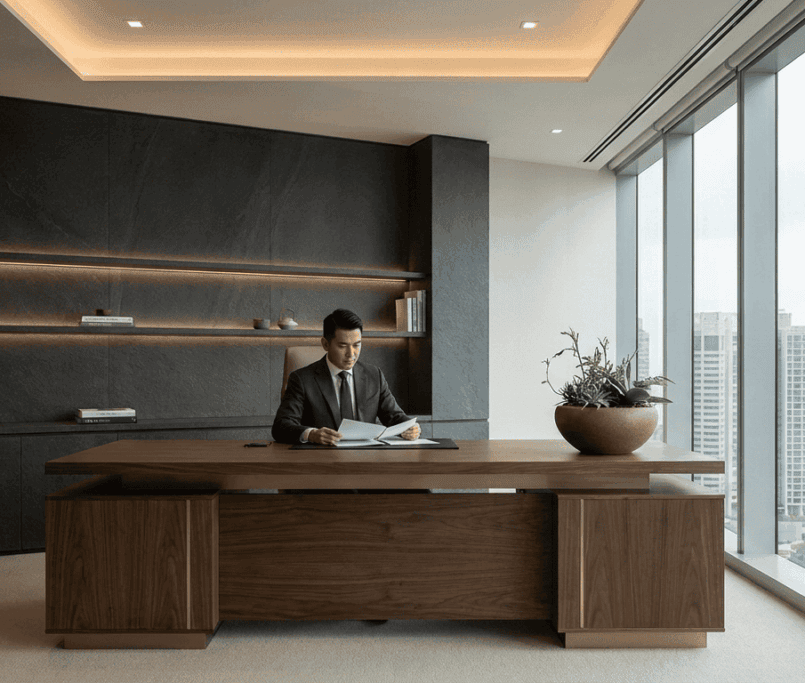
In Singapore’s fast-paced corporate world, office interiors are no longer just about desks, chairs, and cubicles. They serve as an extension of brand identity, employee well-being, and even business performance. With companies constantly seeking fresh business office renovation ideas, it’s vital to approach interior design thoughtfully. Striking the right balance between aesthetics and functionality can make the difference between a space that motivates people and one that drains productivity.
This guide highlights five dos and don’ts for corporate interior design in Singapore, equipping businesses with practical insights to elevate their workspace while avoiding common pitfalls.

1. Do: Prioritise Employee Comfort and Well-Being
Employees spend a large portion of their day in the office, so their comfort directly impacts morale and output. Ergonomically designed furniture, natural light, and thoughtful layout planning can improve well-being significantly.
- Ergonomics matter: Adjustable chairs, sit-stand desks, and properly aligned monitors reduce strain and fatigue.
- Introduce natural elements: Incorporating biophilic design, such as indoor plants and green walls, has been shown to reduce stress and boost creativity.
- Wellness spaces: Consider quiet rooms or relaxation corners for short breaks, particularly valuable in high-pressure industries like finance and technology.
Don’t: Neglect Acoustics and Noise Management
Open-plan offices are popular in Singapore, but noise can quickly become a distraction. Without sound-absorbing materials, productivity suffers. Avoid placing collaborative zones right next to focused work areas, and use acoustic panels or ceiling baffles to create balance.

2. Do: Reflect Brand Identity Through Design
Your office is often the first physical impression clients or investors get of your business. Corporate interior design should therefore mirror your brand values.
- Use colours strategically: Blue may convey trust, while green suggests sustainability—choose shades that align with your company culture.
- Custom artwork and branding: Incorporating logos, wall graphics, or locally inspired artwork can enhance visual identity.
- Reception areas as a statement piece: In Singapore’s competitive market, a striking reception area can instantly set your company apart.
Don’t: Overload with Trends
While it’s tempting to follow every design trend, offices should remain timeless. Overly trendy designs can quickly become outdated, forcing unnecessary renovations. Instead, focus on adaptable layouts and classic finishes that will stand the test of time.

3. Do: Embrace Technology and Smart Design
With hybrid working becoming the norm in Singapore, integrating technology into the workspace is no longer optional.
- Smart meeting rooms: Equip spaces with video conferencing tools and wireless connectivity.
- Integrated charging points: Desks and communal areas should offer seamless access to power.
- Automated systems: Smart lighting and climate control can create energy-efficient and comfortable environments.
Don’t: Compromise Flexibility
Avoid rigid layouts that leave no room for future growth or changes. With Singaporean businesses adapting rapidly to new models, flexibility is key. Movable partitions, modular furniture, and multi-use zones ensure the space evolves with the organisation.
Read More: Revitalize Your Office: 10 Inspiring Renovation Ideas for Modern Workspaces

4. Do: Plan for Collaboration and Privacy
Modern work culture thrives on collaboration, but employees also need privacy for focused tasks. Striking a balance between the two is critical.
- Collaboration hubs: Casual lounges, brainstorming zones, and café-style seating foster creativity and teamwork.
- Private nooks: Provide pods or enclosed rooms for one-on-one calls or confidential discussions.
- Balanced layout: A combination of open and enclosed areas prevents feelings of overcrowding.
Don’t: Underestimate Storage Needs
Clutter undermines both productivity and aesthetics. Inadequate storage solutions lead to disorganised workspaces, which can negatively impact clients’ perceptions. Built-in cabinets, hidden shelving, and smart storage systems are essential.

5. Do: Work with Local Professionals
Unique regulations, cultural preferences, and spatial limitations shape Singapore’s corporate interior design scene. Partnering with local experts ensures your office complies with building codes while staying relevant to the local workforce.
- Knowledge of HDB/URA guidelines: Essential for compliance.
- Cultural nuances: Incorporating feng shui elements or local art can resonate well with both employees and clients.
- Access to suppliers: Local designers have established networks, ensuring faster project completion and cost efficiency.
Don’t: Overlook Sustainability
Singapore’s Green Mark certification and increasing environmental awareness make sustainability non-negotiable. Avoid wasteful practices like excessive use of non-recyclable materials. Instead, choose eco-friendly finishes, LED lighting, and energy-efficient systems that lower operating costs and align with corporate social responsibility goals.
FAQs on Corporate Interior Design in Singapore
Q1. How much does a corporate interior renovation cost in Singapore?
Costs vary depending on the office size, scope of work, and materials chosen. On average, small-to-medium businesses can expect to spend between SGD 50 and SGD 100 per square foot. Engaging professional designers ensures transparent budgeting and avoids costly mistakes.
Q2. What are some practical business office renovation ideas for small spaces?
For compact offices, focus on multipurpose furniture, modular layouts, and smart storage. Glass partitions help create the illusion of space while maintaining privacy. Introducing mirrors and bright colour schemes can also make a small office feel larger.
Q3. How long does an office renovation usually take?
The duration depends on the project’s complexity. Minor refurbishments may take a few weeks, while complete overhauls can last several months. Planning and choosing an experienced interior design partner can significantly shorten timelines.
Read Next: How to Incorporate Colour Psychology Into Your Corporate Interior Design?
Final Thoughts
Corporate interior design in Singapore goes beyond aesthetics—it’s a strategic investment in productivity, brand identity, and long-term growth. By following these five dos and don’ts, businesses can create offices that inspire employees, impress clients, and support future scalability. Whether you’re exploring fresh business office renovation ideas or embarking on a complete corporate transformation, thoughtful planning and professional guidance are essential to achieving success.